The best chiropractor in omaha for wrist pain relief.
Our goal is to Help patients find relief and get back to daily life
Wrist Pain Treatment at Complete Balance Chiropractic
Your wrists work harder than almost any other joint in your body. Between typing, lifting, gripping, and countless small daily movements, it's no surprise that wrist pain is one of the most common complaints we hear from patients in Omaha. Whether it's a dull ache that builds throughout the day or a sharp pain that flares with certain movements, wrist discomfort can make even simple tasks — buttoning a shirt, opening a jar, holding a phone — feel frustrating and difficult.
At Complete Balance Chiropractic, we take a whole-body approach to wrist pain. Rather than simply masking the discomfort, we look for the underlying cause so we can help you find lasting relief.
Common Causes of Wrist Pain
Wrist pain rarely appears out of nowhere. Some of the most frequent contributors we see in our office include:
Repetitive strain - Typing, scrolling, assembly-line work, and other repetitive hand motions can gradually irritate the tendons and nerves that run through the wrist.
Poor posture and ergonomics - A desk setup that forces your wrists into an awkward angle for hours at a time puts steady pressure on joints and soft tissue that were never designed to hold that position.
Nerve compression - When the median nerve becomes compressed as it passes through the carpal tunnel, it can lead to tingling, numbness, and weakness — commonly known as carpal tunnel syndrome.
Misalignment further up the chain - Many people are surprised to learn that wrist pain can originate in the neck, shoulder, or elbow. If a nerve is being irritated higher up along its path, the symptoms can show up in the wrist and hand.
Old injuries - A sprain, fracture, or fall that happened years ago can leave behind scar tissue or joint restrictions that continue to cause discomfort long after the initial injury has healed.
Inflammatory conditions - Conditions such as arthritis can also affect the small joints of the wrist, leading to stiffness and swelling.
What is the Chiropractic Approach for Wrist Pain?
The way a chiropractor treats wrist pain isn't a one-size-fits-all process. During your first visit, we'll talk through your symptoms, your daily habits, and any past injuries, then perform a hands-on examination of your wrist, hand, and the joints above it — including your elbow, shoulder, and neck. Because the nerves that supply your wrist originate in your spine, addressing restrictions along that entire pathway is often key to resolving symptoms rather than just easing them temporarily.
Depending on what we find, your care plan may include:
Joint adjustments. Gentle, targeted adjustments to the small bones of the wrist can help restore normal movement and take pressure off surrounding tissue.
Soft tissue therapy. Techniques such as myofascial release or targeted massage can help loosen tight tendons and muscles that contribute to strain.
Extremity adjusting. Beyond the spine, many chiropractors are trained to adjust the joints of the hands, wrists, and elbows directly, which can be especially helpful for repetitive strain injuries.
Stretches and strengthening exercises. We'll often send you home with a simple routine designed to build resilience in the wrist and prevent the pain from returning.
Ergonomic guidance. Small changes to how you sit, type, or hold tools at work can make a significant difference in how your wrists feel by the end of the day.
Start your Wrist Pain Recovery Today
Most patients notice that wrist discomfort doesn't appear overnight, and it typically doesn't resolve overnight either. Depending on the severity and how long you've been dealing with the issue, your care plan may involve a series of visits with adjustments to your routine along the way. Our Omaha Chiropractor helps at every step is to help you regain full, pain-free use of your hands and wrists — not just to manage symptoms indefinitely.
We accept most insurance plans including:





faq - frequently asked questions
What Does a Chiropractor Do?
A chiropractor is a licensed healthcare professional who specializes in diagnosing and treating disorders of the musculoskeletal system, especially issues involving the spine. Through hands-on spinal adjustments and other techniques, chiropractors work to relieve pain, improve mobility, correct alignment issues, and help the body function at its best without the use of drugs or surgery.
Is Shockwave Therapy Right for You?
Not every type of pain requires the same treatment. The first step is understanding what is contributing to your symptoms. At Complete Balance Chiropractic, we look at the bigger picture rather than focusing solely on the location of your pain. Your evaluation can help determine whether shockwave therapy may be appropriate and how it could fit into a broader treatment plan. If you're dealing with persistent pain that hasn't responded to the solutions you've already tried, shockwave therapy may be worth exploring.
Contact Complete Balance Chiropractic to learn more about shockwave therapy and whether it may be an appropriate option for your condition.
What Are the Benefits of Shockwave Therapy?
One of the biggest advantages of shockwave therapy is that it provides a non-invasive option for people who are dealing with persistent pain. Results can vary depending on the condition, how long symptoms have been present, and other individual factors.
What Conditions Can a Chiropractor Treat?
Chiropractors treat a wide range of conditions related to the spine, joints, and nervous system. This includes common issues like lower back pain, neck pain, sciatica, headaches, migraines, whiplash, sports injuries, poor posture, and joint stiffness. We also provide wellness care to help maintain spinal health and prevent future issues.
How Many Sessions Will I Need?
Every patient is different, so the number of sessions depends on your condition, how long you've had it, and your personal goals. Some patients find relief after just one or two visits, while others benefit from ongoing care. After a full assessment, we’ll recommend a personalized treatment plan that fits your lifestyle and recovery timeline.
What Conditions do Chiropractors Treat?
Chiropractors treat back pain, neck pain, sciatica, headaches, herniated discs, and posture problems using spinal adjustments and mobility therapy.
Is Chiropractic care safe?
Chiropractic adjustments are widely considered safe when performed by licensed chiropractors.
How many visits does Chiropractic Treatment require?
Treatment plans vary but many patients see improvement within 3-6 visits.
Do Chiropractors help with posture?
Yes. Chiropractic care helps improve spinal alignment and posture.
What does an Omaha Chiropractor treat?
An Omaha chiropractor like Dr. Holl at Complete Balance Chiropractic treats a wide range of musculoskeletal conditions including lower back pain, neck pain, sciatica, headaches, migraines, herniated discs, sports injuries, poor posture, hip pain, knee pain, and plantar fasciitis — all without drugs or surgery.
How do I choose the best Chiropractor in Omaha?
Look for a licensed chiropractor with substantial experience, strong patient reviews, and a track record of treating your specific condition. Dr. Cary Holl has 25+ years of experience and holds a Certified Strength & Conditioning Specialist (CSCS) credential — making him uniquely qualified for both pain relief and performance-related chiropractic care in the Omaha area.
Do I need a referral to see a Chiropractor in Omaha?
No. You do not need a referral to visit Complete Balance Chiropractic. Chiropractors are primary care providers for musculoskeletal conditions, meaning you can call or book online directly. Some insurance plans may require a referral, but our team can help verify your benefits before your first visit.
Does Complete Balance Chiropractic accept insurance?
Yes. We accept most major insurance plans including Blue Cross Blue Shield, Aetna, Cigna, United Healthcare, and Medicare. Our team will verify your coverage and walk you through your payment options before treatment begins.
Get In Touch
Phone: (402) 452-3350
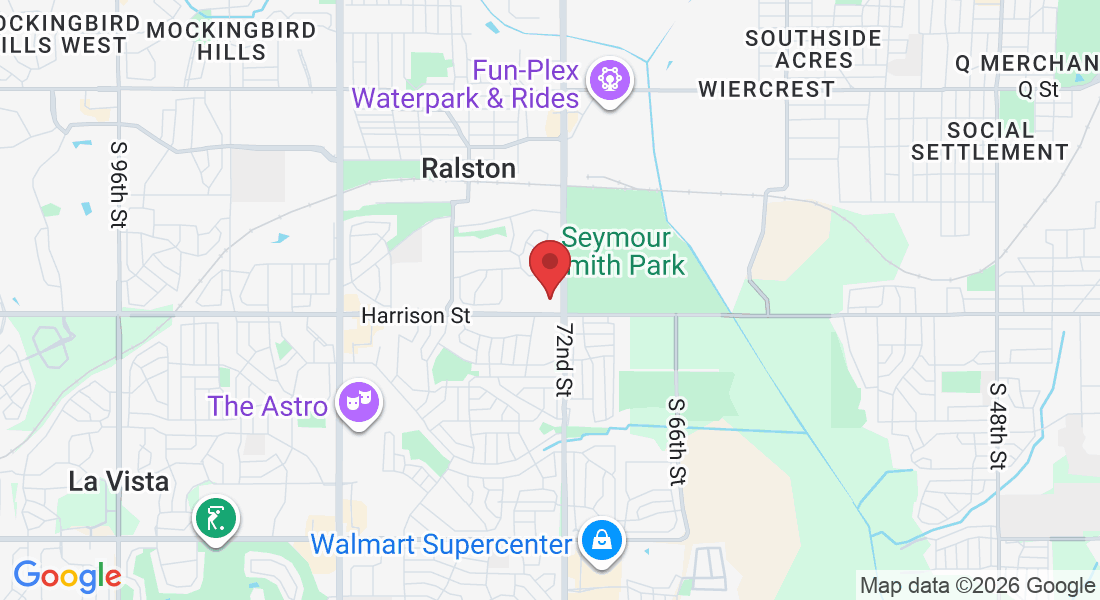
Address: 7320 Harrison St.,
Ralston, NE, 68128
Hours:
Mon-Thr: 8:00am - 6:00pm
Fri - Sun: Closed